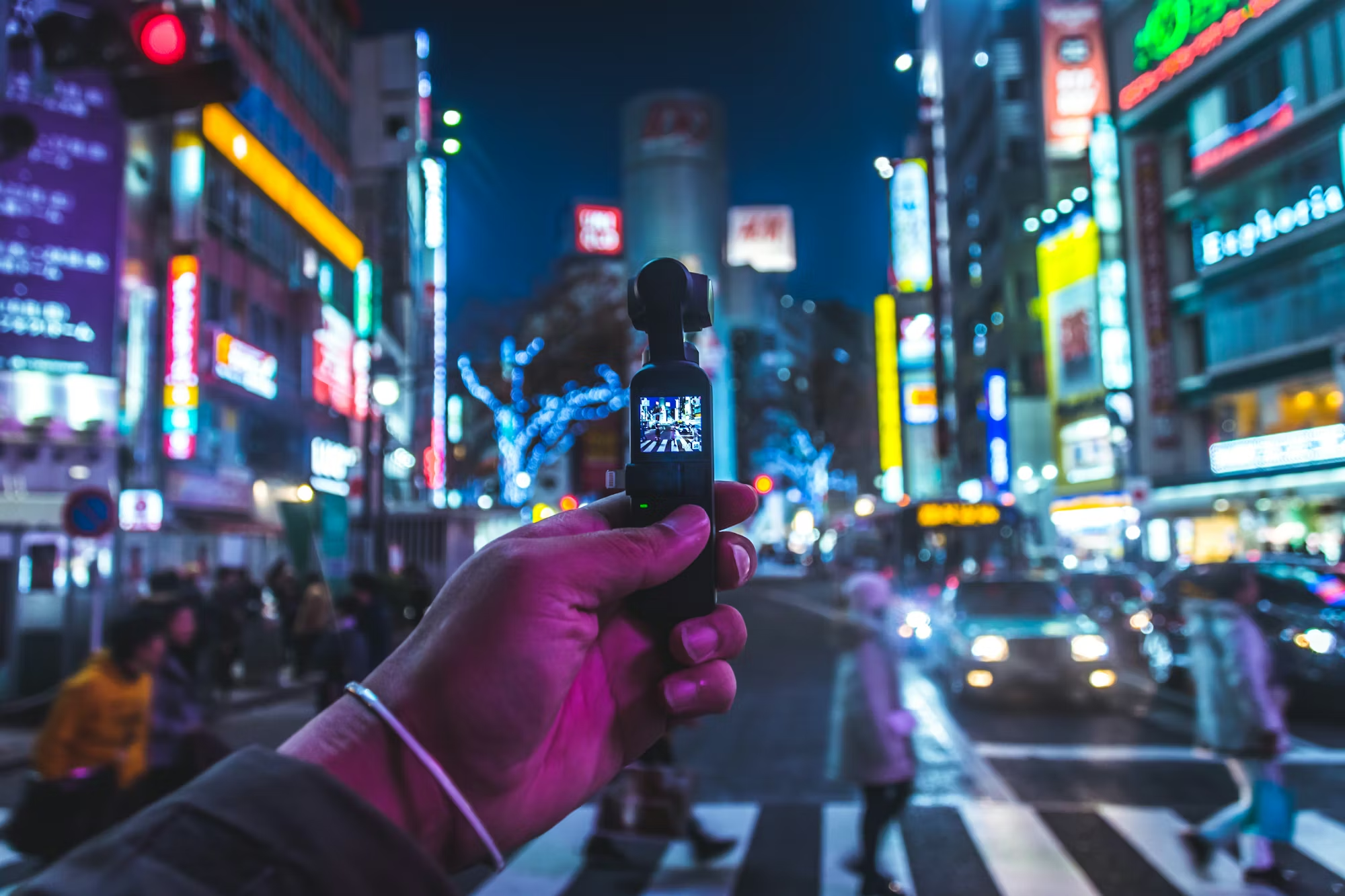
Cyberpunk is not just a genre; it’s a cultural movement that intertwines high-tech advancements with the gritty realities of urban life. This subgenre of science fiction paints a vivid picture of a dystopian future, where neon lights illuminate dark alleys, and towering skyscrapers cast long shadows over the lives of the marginalized. In this article, we will explore the aesthetics of cyberpunk, how they manifest in literature and film, and the underlying philosophical questions they raise about identity, society, and the human experience in an increasingly digital world. The aesthetic of cyberpunk is instantly recognizable: neon signs flickering against the backdrop of rain-soaked streets, a cacophony of urban sounds, and a blend of cultural influences that create a chaotic yet vibrant tapestry. This visual language serves as a metaphor for the complexity of modern life, where technology simultaneously offers connection and isolation. The settings often reflect a world where the high-tech and low-life coexist, emphasizing the stark divide between the affluent and the impoverished. This dichotomy is not just a backdrop but a driving force in the narratives, highlighting the struggle for survival in an unforgiving environment. Characters in cyberpunk stories are often anti-heroes, navigating through a society dominated by corporate interests and governmental oversight. These protagonists, often marginalized individuals or hackers, represent the fight against oppression and the quest for autonomy. They are shaped by their environments, and their journeys reflect the tension between technological empowerment and personal freedom. As they manipulate technology to their advantage, they also confront the ethical dilemmas that arise from their actions. The themes of identity and transformation are central to cyberpunk narratives. As characters augment their bodies with cybernetic enhancements or delve into virtual realities, they grapple with questions of what it means to be human. This exploration resonates deeply in an age where technology increasingly permeates our lives. The boundaries between the digital and the physical blur, raising critical inquiries about authenticity, self-perception, and the nature of existence. In cyberpunk, identity is often portrayed as fluid and malleable. Characters can shed their past selves and adopt new personas, allowing them to escape societal constraints. However, this freedom comes at a cost, as the line between self and simulation becomes increasingly indistinct. This theme invites readers and viewers to reflect on their own experiences with identity in a world where social media and digital personas often overshadow our physical selves. The role of technology in shaping human experience is a recurring motif in cyberpunk literature and film. Advanced technologies, such as artificial intelligence, virtual reality, and neural enhancements, play pivotal roles in the narratives. These tools can empower individuals, enabling them to transcend limitations and explore new dimensions of existence. Yet, they also pose significant risks, as characters may become enslaved by their creations or lose touch with their humanity. This duality reflects contemporary concerns about the implications of technological dependence and the ethical responsibilities that come with innovation. Corporate control is another significant theme in cyberpunk. Mega-corporations often wield more power than governments, manipulating society for profit and perpetuating inequality. This backdrop serves as a critique of capitalism and the concentration of wealth, urging readers to consider the consequences of unchecked corporate influence on our lives. The narratives frequently depict characters who rebel against these oppressive systems, using their skills and technology as tools for resistance. Their struggles resonate with contemporary movements advocating for social justice and equity, reinforcing the idea that the fight for personal and collective freedom is an ongoing battle. The cultural diversity present in cyberpunk enhances the richness of its narratives. Characters hail from various backgrounds, and their experiences reflect the complexities of a globalized world. This multiculturalism allows for a broader exploration of identity, as characters draw on their unique heritage to navigate the challenges they face. It also emphasizes the importance of solidarity among diverse groups in the pursuit of a common goal. The visual and auditory elements of cyberpunk further amplify its themes. The frenetic energy of bustling cityscapes, coupled with the haunting melodies of synthesized music, creates an immersive experience that captivates audiences. This sensory engagement enhances the emotional weight of the narratives, drawing viewers into the characters’ struggles and triumphs. Additionally, the aesthetics of cyberpunk serve as a commentary on the relationship between humanity and technology. The juxtaposition of beauty and decay in the environments mirrors the complex interplay between progress and the consequences of technological advancement. The allure of neon lights can obscure the harsh realities of life in a hyper-connected world, prompting critical reflection on the choices we make and the future we envision. As cyberpunk continues to evolve, it remains a potent source of inspiration and inquiry. The genre challenges us to confront our own relationship with technology, urging us to consider how we can harness its potential for good while remaining vigilant against its pitfalls. In a rapidly changing world, the lessons embedded in cyberpunk narratives remind us that the future is not predetermined; it is shaped by our actions and choices. In conclusion, the aesthetics and philosophy of cyberpunk offer a lens through which we can examine our contemporary society and envision potential futures. By exploring themes of identity, resistance, and the ethical implications of technology, cyberpunk invites us to engage critically with the world around us. As we navigate the complexities of our digital lives, we are encouraged to dream boldly, redefine our identities, and strive for a future where technology serves as a catalyst for empowerment and liberation.
Neon Dreams: The Aesthetics and Philosophy of Cyberpunk